Many people first notice the signs of aging not around their eyes or forehead, but along the jawline. The sharp contours they once had begin to soften, the lower face appears heavier, and loose skin starts to create jowls or an undefined profile. If you have been wondering why you suddenly have sagging skin around your jawline, you are far from alone.
Jawline laxity is one of the most common cosmetic concerns among adults in their thirties, forties, and beyond. While aging plays a significant role, several underlying factors contribute to the gradual loss of facial definition.
Understanding why your jawline is changing can help you explore treatment options that address the root cause rather than simply masking the problem.
Why Does Skin Around the Jawline Start to Sag?
Sagging skin around the jawline is rarely caused by one factor alone. In most cases, multiple age-related changes happen simultaneously beneath the surface.
Collagen and Elastin Production Decline Over Time
Collagen and elastin are the proteins responsible for keeping skin firm, smooth, and resilient. Beginning in your twenties, collagen production naturally slows down, and elastin fibers become weaker.
As these structural proteins decrease, the skin loses its ability to stay tight against the underlying tissues.
Signs of collagen loss around the jawline include:
- Loose skin beneath the chin
- Early jowls
- Reduced jawline definition
- Wrinkles around the lower face
- Heaviness near the mouth
Because these changes occur gradually, many patients only notice them when comparing older photographs.
Facial Fat Shifts as You Age
Many people assume that sagging skin simply means there is extra skin. In reality, changes in facial fat distribution play a major role.
Over time, fat pads in the cheeks and lower face begin to shift downward due to gravity and age-related volume loss.
This redistribution can contribute to:
- A heavier lower face
- Loss of cheek support
- Deepening smile lines
- Less definition along the jawline
The result is a softer and less sculpted facial appearance.
Bone Structure Changes Can Affect Your Profile
One of the least discussed causes of jawline sagging is the gradual change in facial bone structure.
As we age, the bones that support the cheeks, chin, and jaw undergo subtle changes that reduce structural support. When this foundation weakens, the overlying skin and soft tissues may begin to descend.
Patients often notice:
- A weaker jawline
- A less prominent chin
- Skin laxity around the neck
- Changes in facial proportions
Lifestyle Factors That May Accelerate Jawline Aging
Although aging is inevitable, certain habits can make sagging skin more noticeable.
Excessive sun exposure
Ultraviolet radiation breaks down collagen and elastin, accelerating visible signs of aging.
Smoking
Smoking reduces blood flow to the skin and contributes to collagen loss.
Weight fluctuations
Frequent weight gain and loss can stretch the skin and affect facial contours.
Poor skincare habits
Inconsistent skincare routines may contribute to dryness and reduced skin quality.
While these factors do not directly cause sagging skin, they can speed up the aging process.
Why Does My Jawline Look Different in Photos?
Many patients say they first notice jawline laxity in photographs or video calls.
Several factors can make sagging skin appear more obvious:
- Overhead lighting
- Camera angles
- Reduced skin elasticity
- Changes in posture
- Natural facial expressions
As facial support structures change, even subtle shifts in light can emphasize jowls and skin laxity.
Can Exercise Tighten Sagging Skin Around the Jawline?
Facial exercises and jaw workouts are popular on social media, but their results are often limited.
Exercise may strengthen muscles, but it cannot replace:
- Lost collagen
- Reduced skin elasticity
- Volume loss
- Structural changes in the face
Patients seeking noticeable improvement often benefit from treatments designed to stimulate collagen production and support skin tightening.
Treatment Options for Sagging Skin Around the Jawline
The most effective treatment depends on the severity of skin laxity, facial anatomy, and aesthetic goals.
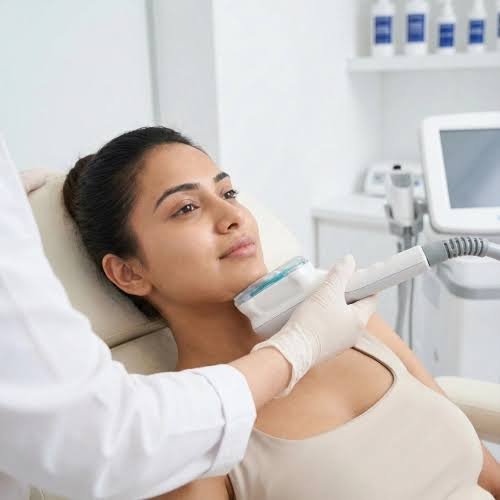
RF Microneedling
RF microneedling combines microneedling with radiofrequency energy to stimulate collagen production in deeper layers of the skin.
Potential benefits include:
- Improved skin firmness
- Enhanced jawline definition
- Smoother skin texture
- Gradual tightening effects
Technologies such as Morpheus8, Secret RF, and Pixel-8 may be used depending on individual needs.
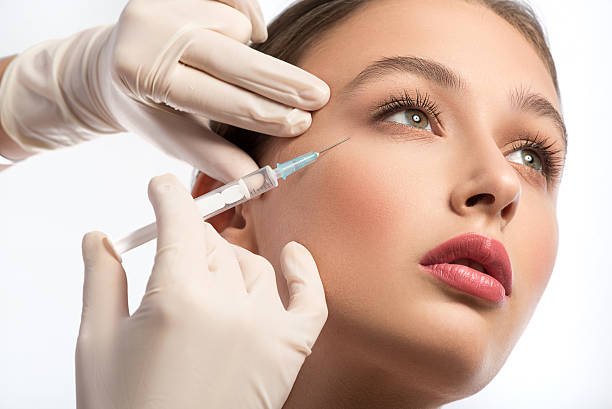
Dermal Fillers
Strategically placed dermal fillers may help restore lost volume and improve facial balance.
Treatment goals often include:
- Supporting the lower face
- Enhancing the chin and jawline
- Improving facial proportions
- Softening early jowls
Microneedling and Skin Rejuvenation
Microneedling treatments can encourage collagen remodeling and improve overall skin quality over time.
Combined approaches are often recommended for patients with multiple concerns.
Who Is a Candidate for Jawline Rejuvenation?
You may benefit from a consultation if:
- Your jawline appears less defined.
- You notice loose skin beneath your chin.
- Early jowls are becoming more visible.
- Your lower face looks heavier than before.
- You want natural-looking rejuvenation without surgery.
An individualized treatment plan is essential because every face ages differently.
Conclusion
Sagging skin around the jawline is a common concern caused by a combination of collagen loss, shifting facial volume, and natural aging. Although these changes are inevitable, understanding the underlying causes can help patients make informed decisions about treatment.
At Dr Anita Medical Aesthetics, every facial rejuvenation plan is customized to the individual, focusing on natural-looking results and long-term skin health. A professional consultation can help determine the most effective approach for restoring definition and improving confidence in your appearance.
Frequently Asked Questions
At what age does jawline sagging begin?
Collagen production starts to decline in your twenties, but visible jawline changes often become more noticeable in the thirties and forties.
Can weight loss cause sagging skin around the jawline?
Yes. Significant weight loss can contribute to skin laxity in some individuals.
Does RF microneedling tighten the jawline?
RF microneedling may improve skin firmness by stimulating collagen production.
Are dermal fillers used for jawline contouring?
Dermal fillers may help restore facial balance and improve jawline definition in appropriate candidates.
Can skincare products tighten sagging skin?
Skincare products can improve skin health, but they generally cannot replace lost collagen or significantly tighten loose skin.