For many people, acne breakouts eventually disappear, but the scars they leave behind can last for years. You may have tried expensive creams, trending skincare products, or countless home remedies, only to wonder why your acne scars still look the same. If you keep asking yourself, “Why are my acne scars not improving?” you are certainly not alone.
The reality is that acne scars are much more complex than dark spots or temporary blemishes. Different types of scars respond differently to treatment, and in many cases, patients unknowingly use solutions that simply cannot address the deeper causes of scarring.
Understanding why acne scars persist is the first step toward choosing treatments that are actually designed to improve skin texture and overall appearance.
The Biggest Reason Your Acne Scars Are Not Improving: Not All Scars Are the Same
One of the most common mistakes people make is assuming that every acne scar responds to the same treatment.
In reality, acne scars can develop in different forms, including:
- Ice pick scars
- Boxcar scars
- Rolling scars
- Post-inflammatory hyperpigmentation
- Raised scars
- Mixed scar patterns
Because each type affects the skin differently, a treatment that works for one person may produce little improvement for someone else.
Without identifying the exact type of scarring, progress can be slow or disappointing.
Over-the-Counter Products Often Cannot Reach Deep Scars
Many patients spend months—or even years—trying serums, exfoliants, and social media skincare recommendations.
Although these products may improve skin tone or reduce minor discoloration, they often cannot reach the deeper layers of skin where acne scars develop.
Topical products may help with:
- Mild pigmentation
- Surface texture concerns
- Dryness
- Uneven skin tone
However, they are generally less effective for:
- Deep indentations
- Significant textural changes
- Long-standing scars
- Collagen loss caused by severe acne
This is one reason why scars may appear unchanged despite a consistent skincare routine.
Collagen Loss Plays a Major Role in Persistent Acne Scars
Acne scars are not simply marks left behind after a breakout—they often represent structural changes within the skin.
When inflammation damages the deeper layers of tissue, the body may not produce enough collagen during healing. This lack of support creates depressions and uneven texture.
Signs that collagen loss may be contributing to your scars include:
- Indented areas on the cheeks
- Uneven skin texture
- Scars that become more visible in certain lighting
- Persistent pitting that does not improve with skincare
Because collagen production naturally slows with age, scars can sometimes become more noticeable over time.
Ongoing Breakouts Can Prevent Improvement
Another overlooked reason acne scars fail to improve is the presence of active acne.
If new breakouts continue to develop, the skin remains in a cycle of inflammation and healing, making scar treatment more challenging.
Active acne can:
- Trigger new scars.
- Delay skin recovery.
- Increase redness and pigmentation.
- Reduce the effectiveness of some procedures.
Before focusing on scar revision, many patients benefit from first addressing the underlying causes of acne.
Why Social Media Acne Scar Advice Often Falls Short
Online skincare trends frequently promise dramatic improvements, but acne scars are rarely solved with a single product or viral routine.
Common myths include:
“Exfoliating more will remove scars.”
Excessive exfoliation can irritate the skin and worsen inflammation.
“Natural remedies erase acne scars.”
Home remedies may soothe the skin, but they generally cannot rebuild lost collagen.
“One treatment session is enough.”
Most professional acne scar treatments require multiple sessions because collagen remodeling takes time.
Setting realistic expectations is an important part of any treatment plan.
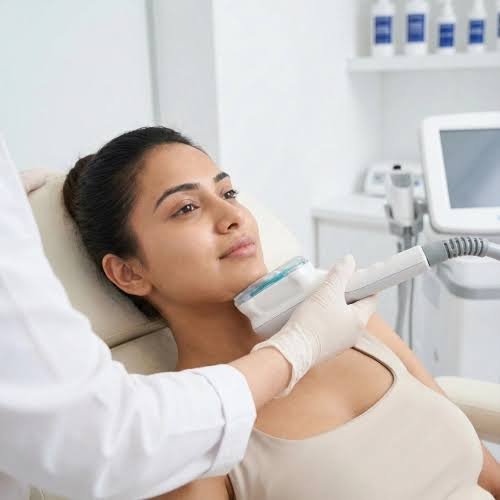
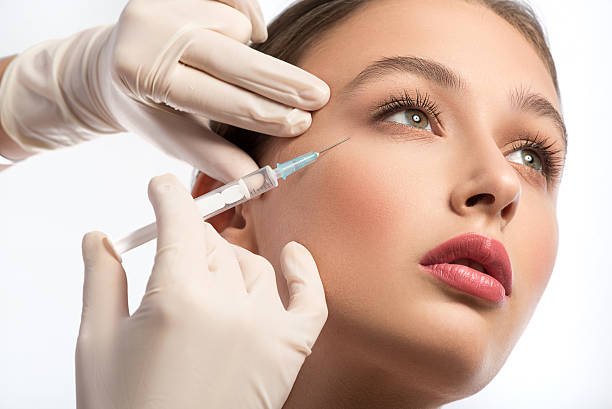
Professional Treatments That May Help Improve Acne Scars
The most effective approach depends on the type and severity of your scars, as well as your skin goals.
Microneedling
Microneedling creates controlled micro-injuries in the skin, encouraging collagen production and gradual improvement in texture.
Potential benefits include:
- Smoother skin texture
- Improved appearance of shallow scars
- Enhanced skin quality
- Reduced unevenness
RF Microneedling
RF microneedling combines traditional microneedling with radiofrequency energy to target deeper layers of tissue.
Patients often consider RF microneedling for:
- More pronounced acne scars
- Skin tightening
- Textural concerns
- Collagen stimulation
PRP Microneedling
Platelet-rich plasma (PRP) may be combined with microneedling to support the skin’s natural healing response.
Medical-Grade Skincare
Customized skincare plans can complement in-office treatments and support long-term skin health.
The most effective results often come from combining multiple treatment strategies rather than relying on a single solution.
How Long Does It Take for Acne Scars to Improve?
This is one of the most common questions patients ask.
Improvement depends on several factors, including:
- The type of scar
- Skin quality
- Treatment selection
- Age
- Collagen production
- Consistency with treatment
Because collagen remodeling happens gradually, visible changes typically occur over several months rather than overnight.
When Should You Seek Professional Guidance?
You may benefit from a consultation if:
- Your acne scars have not improved despite skincare products.
- Makeup settles into uneven areas.
- Scars affect your confidence.
- You continue to experience breakouts.
- You are unsure which treatment is right for your skin.
A personalized evaluation can help determine why your scars persist and identify realistic options for improvement.
Conclusion
If your acne scars are not improving, the problem may not be your skincare routine—it may be that the treatment does not address the underlying causes of scarring. Factors such as collagen loss, scar type, ongoing acne, and unrealistic expectations all influence the outcome.
At Dr Anita Medical Aesthetics, acne scar treatment plans are designed around each patient’s unique skin concerns, focusing on collagen stimulation, skin rejuvenation, and long-term skin health. A professional consultation can help you understand why your scars persist and which treatments may support smoother, healthier-looking skin.
Frequently Asked Questions
Why do my acne scars look worse in certain lighting?
Shadows can make indented scars more visible, especially when collagen loss affects skin texture.
Can skincare products remove deep acne scars?
Most topical products cannot fully correct deeper scars because they do not reach the underlying layers of tissue.
Is microneedling effective for acne scars?
Microneedling may improve the appearance of certain acne scars by stimulating collagen production.
How many treatments are usually needed?
The number of sessions varies based on scar type, severity, and treatment goals.
Can old acne scars still improve?
Yes. Even older scars may respond to professional treatments, although results differ from person to person.