Many people notice subtle changes in their appearance as they age, but one concern often catches patients by surprise: their lips seem to get thinner every year. Lipstick no longer sits the same way, the upper lip starts to disappear when smiling, and the once-defined border around the mouth becomes less noticeable.
If you have found yourself wondering, “Why do my lips look thinner every year?” the answer usually involves a combination of natural aging, collagen loss, and changes in facial structure. While these changes are common, understanding why they happen can help you make informed decisions about maintaining a youthful and balanced appearance.
Why Do Lips Become Thinner as We Age?
The thinning of the lips is not caused by a single factor. Several biological changes occur over time that affect both the lips and the surrounding facial structures.
Your Body Produces Less Collagen Every Year
Collagen is one of the key proteins responsible for keeping skin firm, smooth, and full. Beginning in your twenties, collagen production gradually declines.
As collagen levels decrease, the lips lose some of their natural support and structure, making them appear flatter and less defined.
Signs of collagen loss around the lips include:
- Reduced lip volume
- Fine lines around the mouth
- Less definition along the lip border
- Lipstick bleeding into vertical lines
- A less prominent cupid’s bow
Because the lips contain delicate tissue, even small changes in collagen levels can become noticeable over time.
Fat Loss in the Face Can Affect Lip Shape
Many patients assume that lip thinning only involves the lips themselves, but facial fat redistribution also plays a role.
As we age, we naturally lose volume in areas such as:
- The cheeks
- Around the mouth
- The jawline
- The temples
This shift in facial volume can alter the proportions of the lower face, making the lips appear smaller than they once did.
Bone Structure Changes With Age
One of the lesser-known causes of thinning lips is the gradual change in facial bone structure.
Over time, the bones that support the mouth and jaw undergo subtle changes. This reduced support can contribute to:
- A flatter upper lip
- Drooping corners of the mouth
- Deepening smile lines
- Less projection in the lips
Because these changes happen slowly, many people do not notice them until comparing older photographs.
Everyday Habits That May Make Lip Thinning Worse
Although aging is inevitable, certain lifestyle factors can accelerate visible changes.
Sun exposure
Excessive UV exposure breaks down collagen and elastin, speeding up the aging process around the mouth.
Smoking
Smoking contributes to collagen loss and repetitive muscle movements that can create vertical lip lines.
Dehydration
Dry, dehydrated lips may appear thinner and less healthy.
Repetitive facial movements
Years of puckering, sipping through straws, and expressive movements can gradually affect the skin around the lips.
Why Does My Upper Lip Disappear When I Smile?
A common complaint among patients is that their upper lip seems to vanish when they smile.
Several factors can contribute to this concern:
- Natural lip anatomy
- Age-related volume loss
- Muscle activity around the mouth
- Loss of skin elasticity
- Changes in facial proportions
For some people, this issue becomes more noticeable in their thirties and forties as collagen production slows.
When Lip Balms and Skincare Are No Longer Enough
Hydrating lip products can improve texture and comfort, but they cannot replace lost volume or restore facial support.
Patients often notice that:
- Lip gloss no longer creates fullness.
- Lip liner becomes necessary every day.
- Makeup does not sit evenly.
- Their lips look different in photographs.
When these concerns persist, professional evaluation may help identify the most appropriate options.
Treatment Options for Age-Related Lip Thinning
The right treatment depends on your anatomy, goals, and the degree of volume loss.
Hyaluronic acid lip fillers
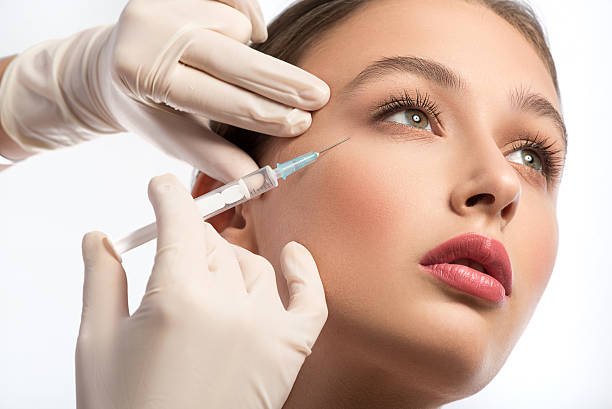
Lip fillers are commonly used to restore volume, improve symmetry, and redefine the borders of the lips while maintaining a natural appearance.
Potential benefits include:
- Enhanced lip shape
- Improved hydration
- Better definition
- Restoration of lost volume
- Softer appearance of lines around the mouth
Collagen-stimulating treatments
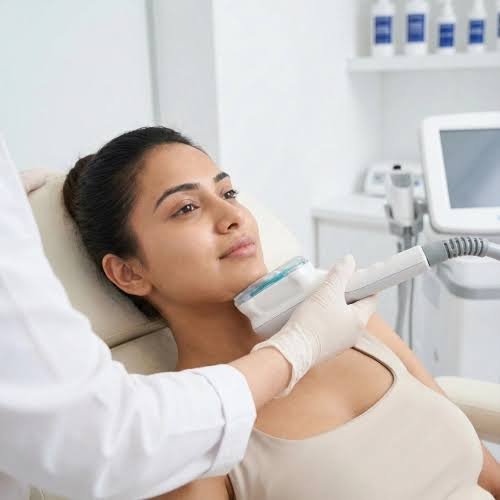
Procedures such as microneedling and RF microneedling may support collagen production and improve skin quality around the lips.
Medical-grade skincare
Personalized skincare plans can help maintain skin health and support long-term results.
A comprehensive consultation is important because lip rejuvenation often involves more than simply adding volume.
Who Is a Good Candidate for Lip Rejuvenation?
You may benefit from an evaluation if:
- Your lips appear thinner every year.
- You notice fine lines around your mouth.
- Your upper lip disappears when smiling.
- Lip products no longer provide the look you want.
- You want subtle, natural-looking enhancement.
The goal is not to create dramatically larger lips but to restore balance and harmony to the face.
Conclusion
If your lips look thinner every year, you are likely experiencing a normal combination of collagen loss, facial aging, and changes in skin elasticity. While these changes are common, they can affect facial balance and self-confidence over time.
At Dr Anita Medical Aesthetics, every lip rejuvenation plan is tailored to the individual, focusing on natural-looking enhancement and long-term facial harmony. A personalized consultation can help determine the best approach for restoring volume and supporting healthy, youthful-looking lips.
Frequently Asked Questions
At what age do lips start to thin?
Collagen production begins to decline in the mid-twenties, although noticeable lip thinning often becomes more apparent in the thirties and forties.
Can dehydration make lips look thinner?
Yes. Dehydration can temporarily reduce fullness and emphasize fine lines.
Are thin lips always caused by aging?
No. Genetics, facial anatomy, and lifestyle factors can also influence lip volume.
Can lip fillers look natural?
When performed thoughtfully and conservatively, lip fillers can enhance shape and restore lost volume while preserving natural facial proportions.
How long do lip filler results last?
Results vary depending on the product used and individual factors, but many patients enjoy improvements for several months.